



Water Leaking or Draining Incorrectly from a Hoshizaki KM Ice Maker
Water Leaking or Draining Incorrectly from a Hoshizaki KM Ice Maker
Water around your Hoshizaki KM ice maker or backing up in the bin? Find the source by when it leaks, check the drains safely, and know when to call.
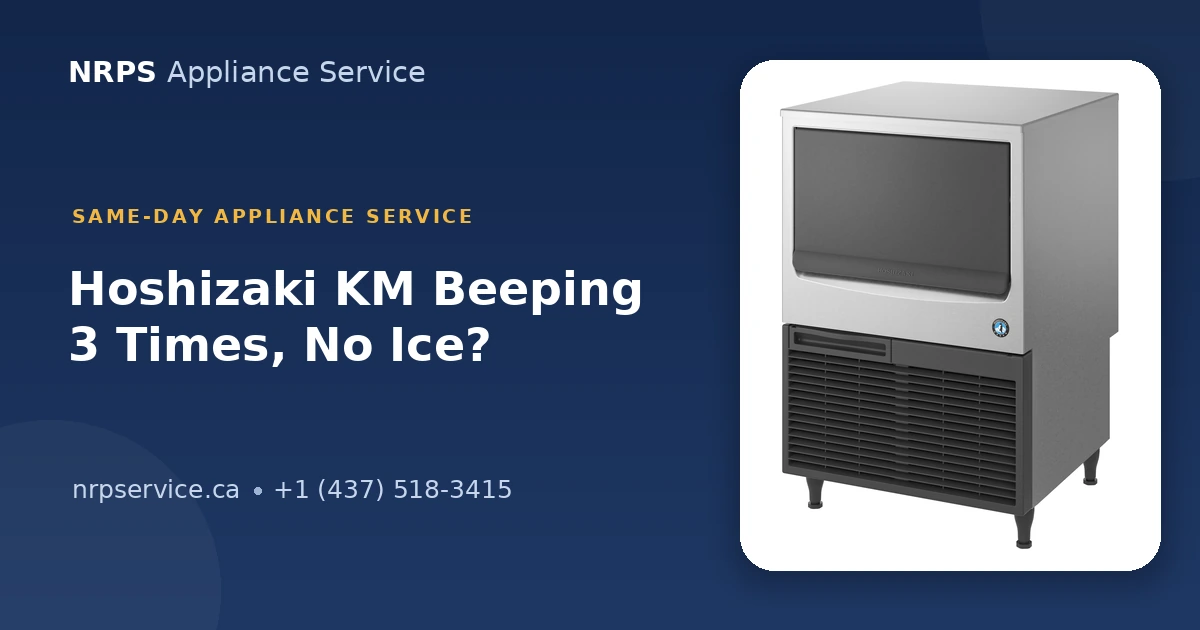
Water around a Hoshizaki KM model ice maker can come from a loose water connection, a damaged hose, a leaking valve, or a drain line that is blocked or not draining properly. In a commercial kitchen it is more than a nuisance. Standing water is a slip hazard for staff, it damages flooring and cabinets over time, and a drain backing up into an ice bin is a food safety problem.
What makes these leaks tricky is that many of them only happen at one stage of the cycle, so the machine can look perfectly dry when you inspect it. The best clue you have is timing.
Find the source by when the water appears
Dry the floor around the machine completely, then check back at intervals through a few cycles. When the water shows up again tells you where to look.
|
When the water appears |
Where to look |
|
While the machine is filling |
Supply line fittings, the water filter housing and the inlet valve. |
|
During or just after harvest |
Drain lines and drain connections, which carry the most water at this point. |
|
All the time, even when idle |
An inlet valve that is not closing fully, or a blocked bin drain backing up meltwater. |
|
Inside the ice bin |
A bin drain clogged with slime or debris, or a drain line without enough slope. |
|
Only after the machine was moved |
A disturbed fitting, a crushed hose or a drain line that lost its slope. |
Leaks on the supply side
The supply side is everything that brings fresh water into the machine. These leaks tend to appear during the fill.
• Loose or worn fittings. Vibration and the occasional bump from cleaning loosen compression fittings over time.
• A damaged supply hose. Hoses behind ice machines get crushed when equipment is pushed back against the wall.
• The water filter housing. A cartridge that was not seated properly at the last change, or a cracked housing, can drip steadily.
• The inlet valve. A valve that does not close fully can overfill the reservoir, which then overflows into the drain or onto the floor. The same fault can cause the three-beep freeze timer alarm.
Drainage problems
KM ice makers drain by gravity. Water from the machine and meltwater from the bin flow downhill to a floor drain, so anything that slows that flow causes trouble.
• Not enough slope. Drain lines need a steady downward slope all the way to the floor drain. A sagging section holds water and collects debris.
• No proper vent. Without venting, water can drain slowly or gurgle and back up.
• Missing air gap. Installation instructions call for an air gap at the floor drain, so drain water can never be drawn back toward the machine or bin.
• Slime and biofilm. Ice machine drains are cold and damp, which makes them ideal for slime. Over months it narrows the line until water backs up into the bin.
• A slow floor drain. Sometimes the ice machine is fine and the building drain it empties into is partly blocked.
Signs of a drain problem: standing water in the bottom of the bin, ice melting faster than usual, gurgling from the drain, or water around the floor drain after harvest.
What to do right now
1. Keep the area dry and safe. Mop up, and put out a wet floor sign if staff walk past the machine.
2. Inspect what you can see. Check the visible supply and drain lines for kinks, loose connections, cracks or sagging sections.
3. Note the timing. Write down when the water appears using the table above. It saves time on diagnosis.
4. Turn off the water if it continues. If the leak keeps coming back, turn off the water supply to the machine if you can do so safely, and arrange service.
Electrical safety: do not reach behind or underneath an ice machine that is standing in water while it is still plugged in.
What a technician checks
A technician traces the leak to its source and inspects the full water path: supply fittings, filter housing, inlet valve, reservoir and float, internal tubing, the bin drain and the drain lines all the way to the floor drain. Drain lines are cleaned or re-routed where needed, and the slope and air gap are checked against the installation requirements. Finding the cause early helps prevent water damage and reduces downtime for your business.
Leaks and slow drains often go hand in hand with scale and slime inside the machine, which also reduce output. If your bin never seems full, read why a Hoshizaki KM runs but makes little ice.
Leaking ice machine repair
NRPS repairs leaking and poorly draining Hoshizaki KM ice makers for businesses of all kinds. You get a firm, flat-rate price before any work starts, and the service call is credited toward the repair if you go ahead. More details are on our ice maker repair page.
Fewer emergencies with a care plan
An NRPS care plan includes labour and priority scheduling, which matters when water is on the kitchen floor. Compare care plans →
Water around your ice maker? Call +1 (437) 518-3415 or book online.